Collective action that strengthens communities and drives social change

At The Share Trust, we facilitate community-led development, ensuring communities shape their own priorities and futures. Through research, community-led programming and advocacy, we are influencing global aid systems by shifting power, processes, and funding to local actors.
Meet The Share TrustHow We Work
The Share Trust focuses on three elements of an ecosystem that help enable communities to lead, strengthen local organizations to support them, and create the policy and institutional conditions that allow locally led change to thrive.

Self Help Groups
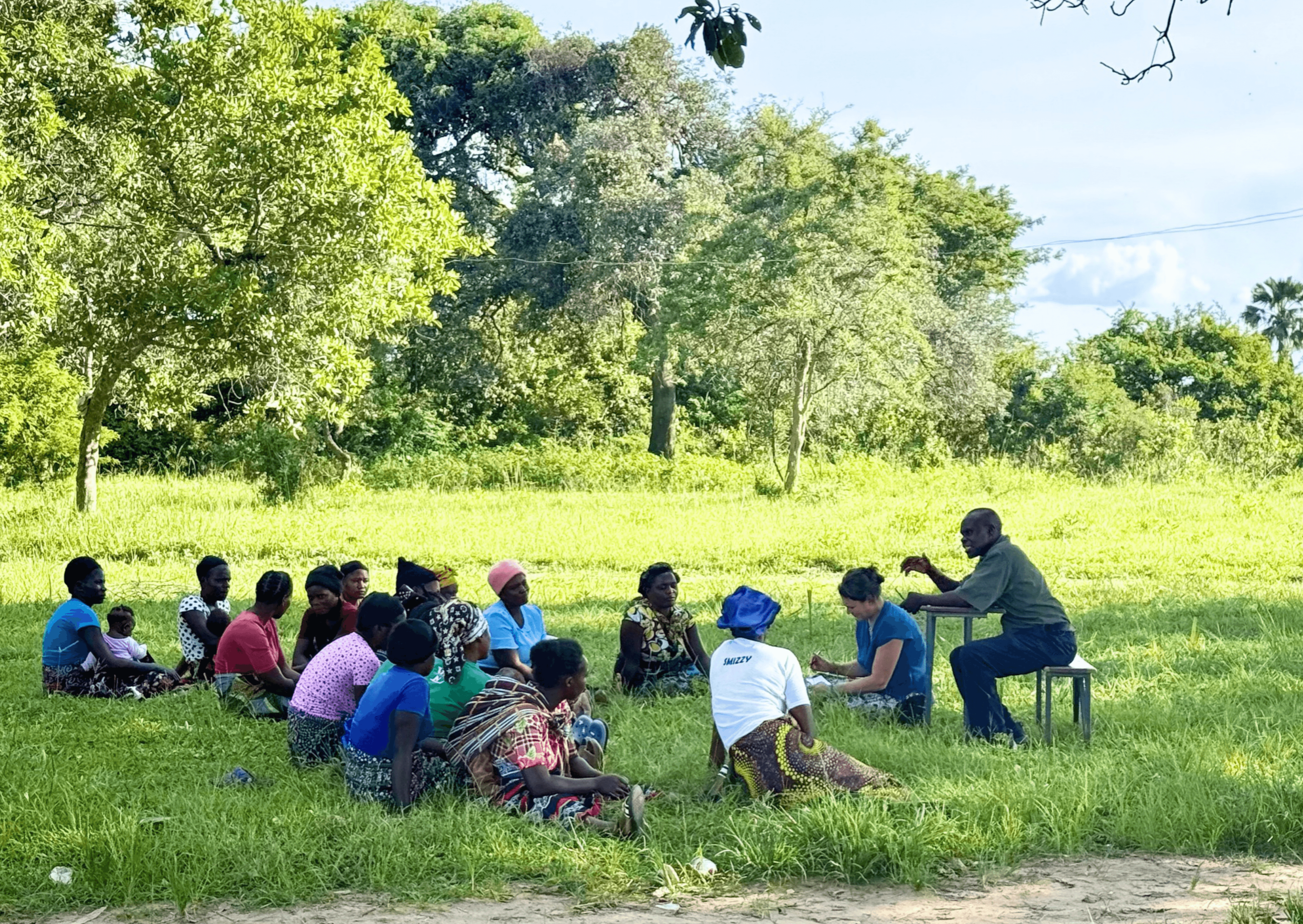
Groups of 10–25 people who meet weekly to save, build livelihoods, and strengthen their communities. We partner with them to build on their collective strengths and lead change.

Local Intermediaries
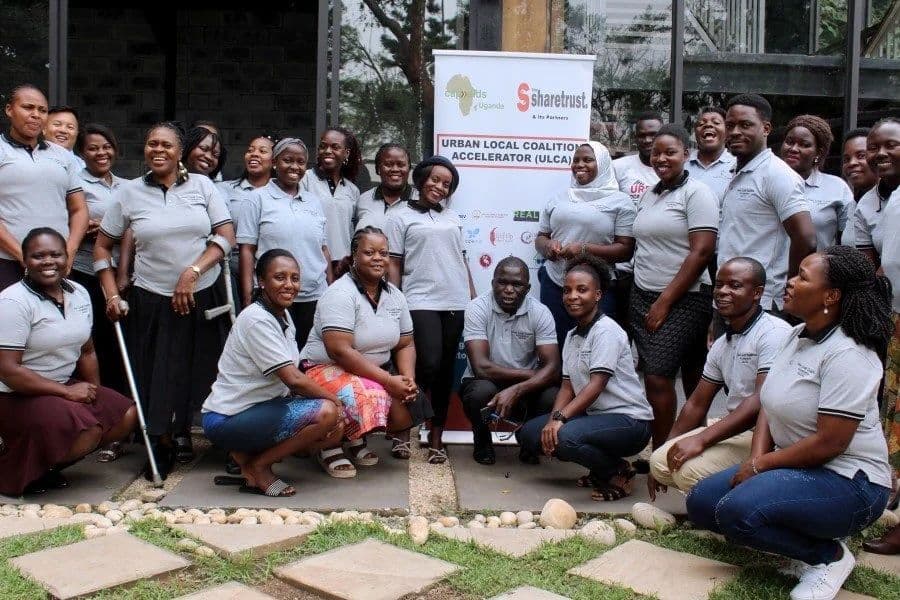
Organizations that bridge donors and communities, providing the expertise, services, and resources to local actors. We support local intermediaries through capacity sharing and coalition building, while our research helps international intermediaries rethink how resources and decision-making power are shared.

Policy Ecosystem
The systems, policies, relationships, and resources that shape how locally led organizations operate and access support. We partner with donors, governments, and private sector actors to strengthen these systems for locally led change.
Women’s collectives: Self Help Groups
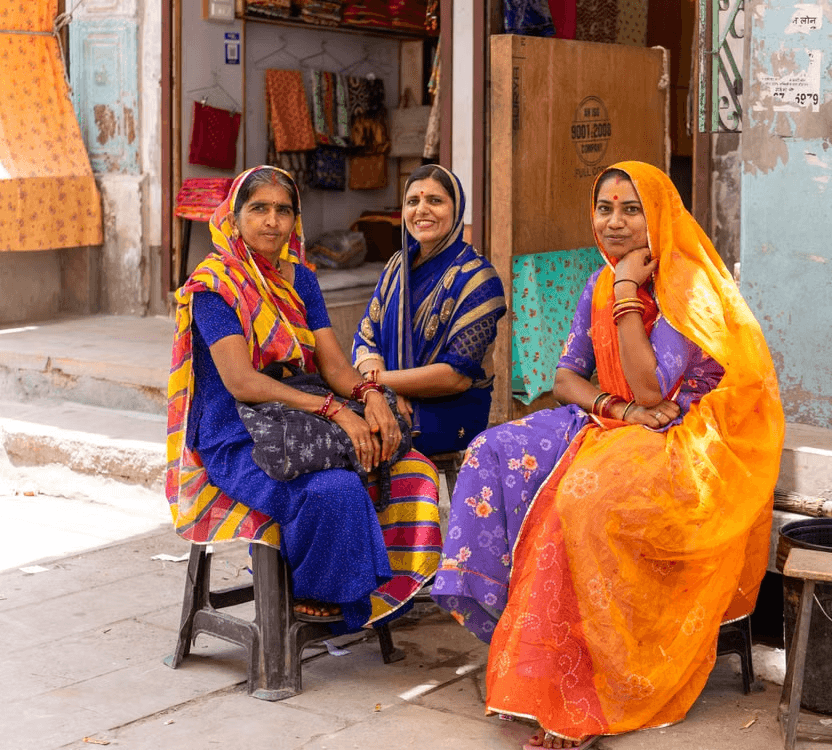
Self Help Groups are voluntary groups of 10–25 people who meet regularly to save, develop small businesses, and create change in their lives and communities. Found across the world in many forms, Self Help Groups foster self-esteem, agency, and confidence while providing a platform for collective action.
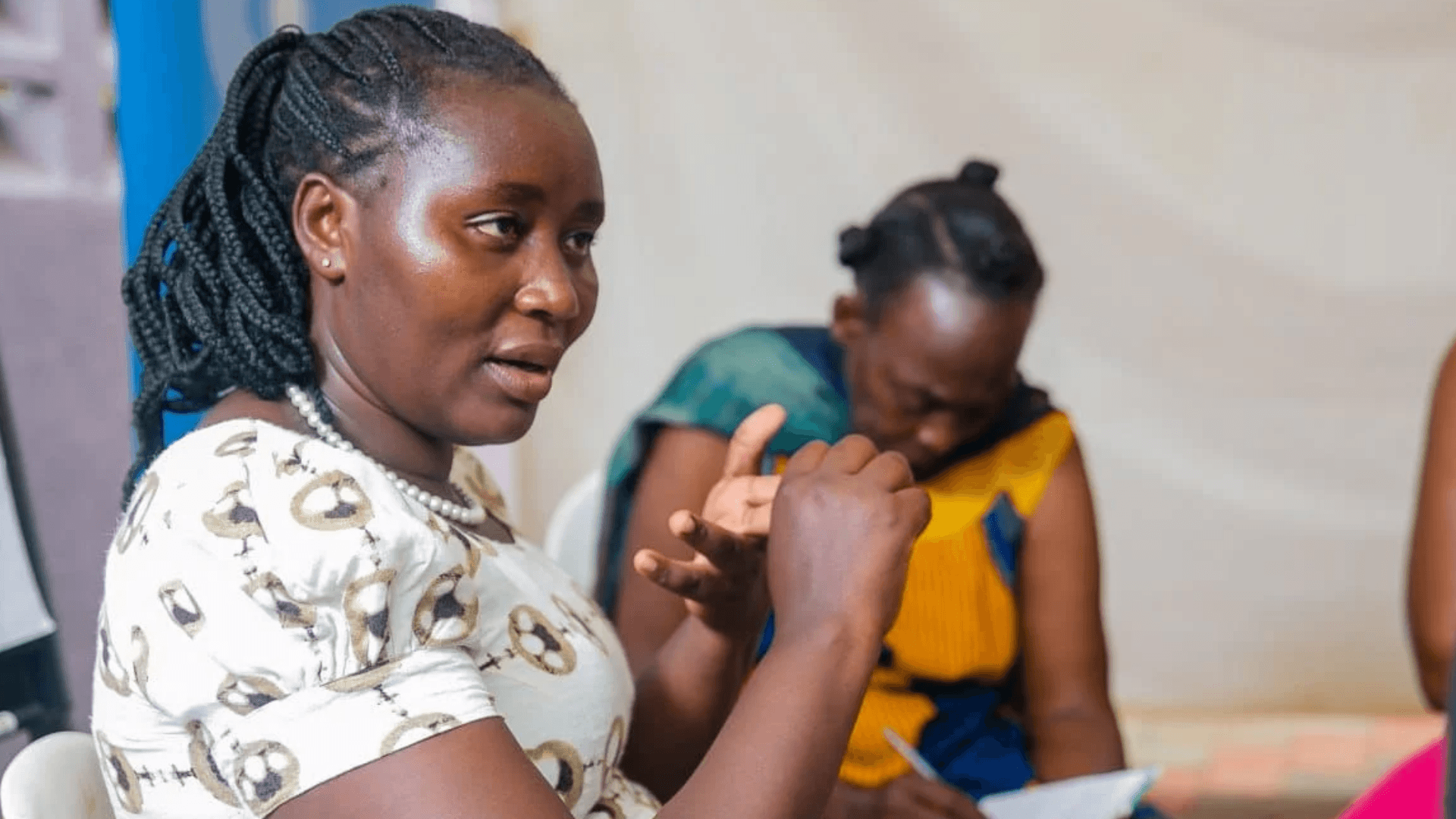
As women come together, they build relationships, strengthen their collective voice, and cultivate hope for a better future. Groups can address diverse needs, from livelihoods and financial skills to health, disaster risk reduction, and human rights. As members gain experience, they often establish new groups, expanding the model organically and supporting broader social, political, and economic change.
Read more about Self Help Groups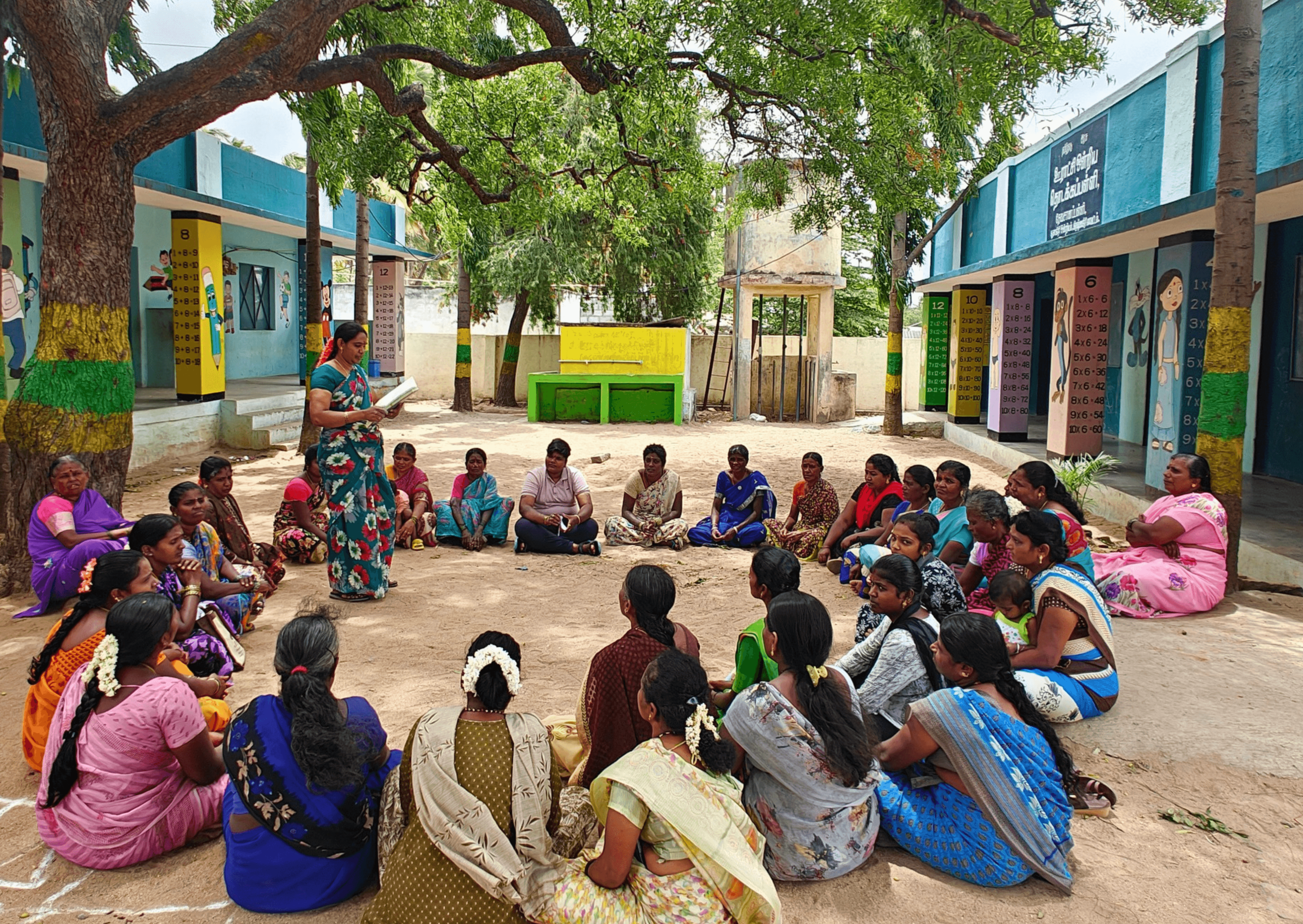
Creating the conditions for local leadership to thrive
When local communities partner with local organizations, they are better equipped to create lasting change. And when governments, donors, and institutions invest in the conditions that enable locally led initiatives to thrive, communities become more resilient, equitable, and empowered to shape their own futures.

Research
We generate rigorous evidence about what works, helping partners, funders, and policymakers make better-informed decisions about how resources and power are directed.


Community-Led Programming
We provide technical assistance and tools to local actors and the organizations that work alongside them to build stronger systems, strengthen governance, and develop locally led solutions that can grow and endure.

Policy & Advocacy
We build trusted relationships with governments, donors, and other decision-makers and use evidence to influence the policies, funding, and systems that enable locally led change.
Institutional funders & foundations




Lasting change happens when communities lead
Discover Stories of Change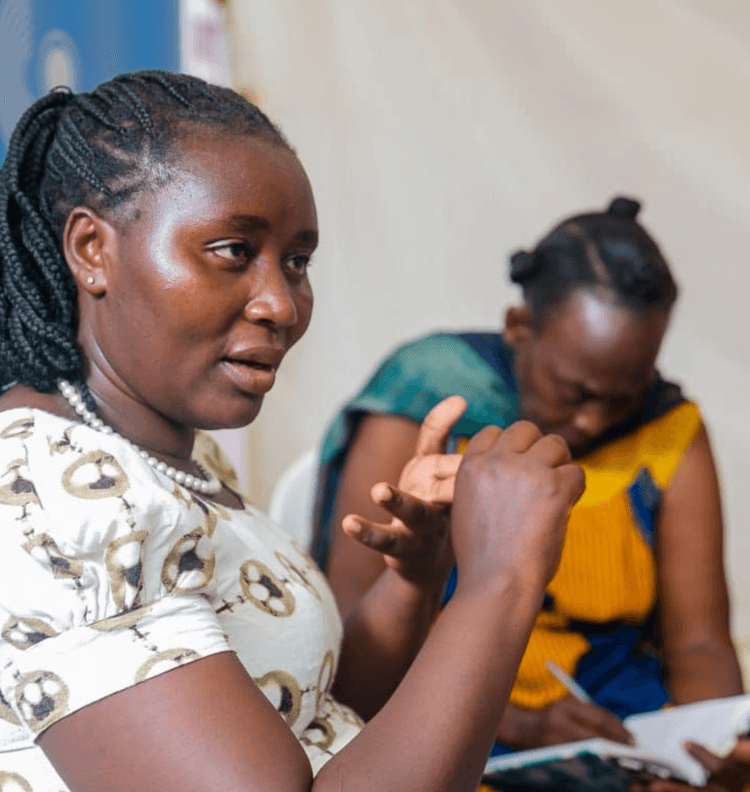
Women in SHGs are twice as likely to participate in local politics
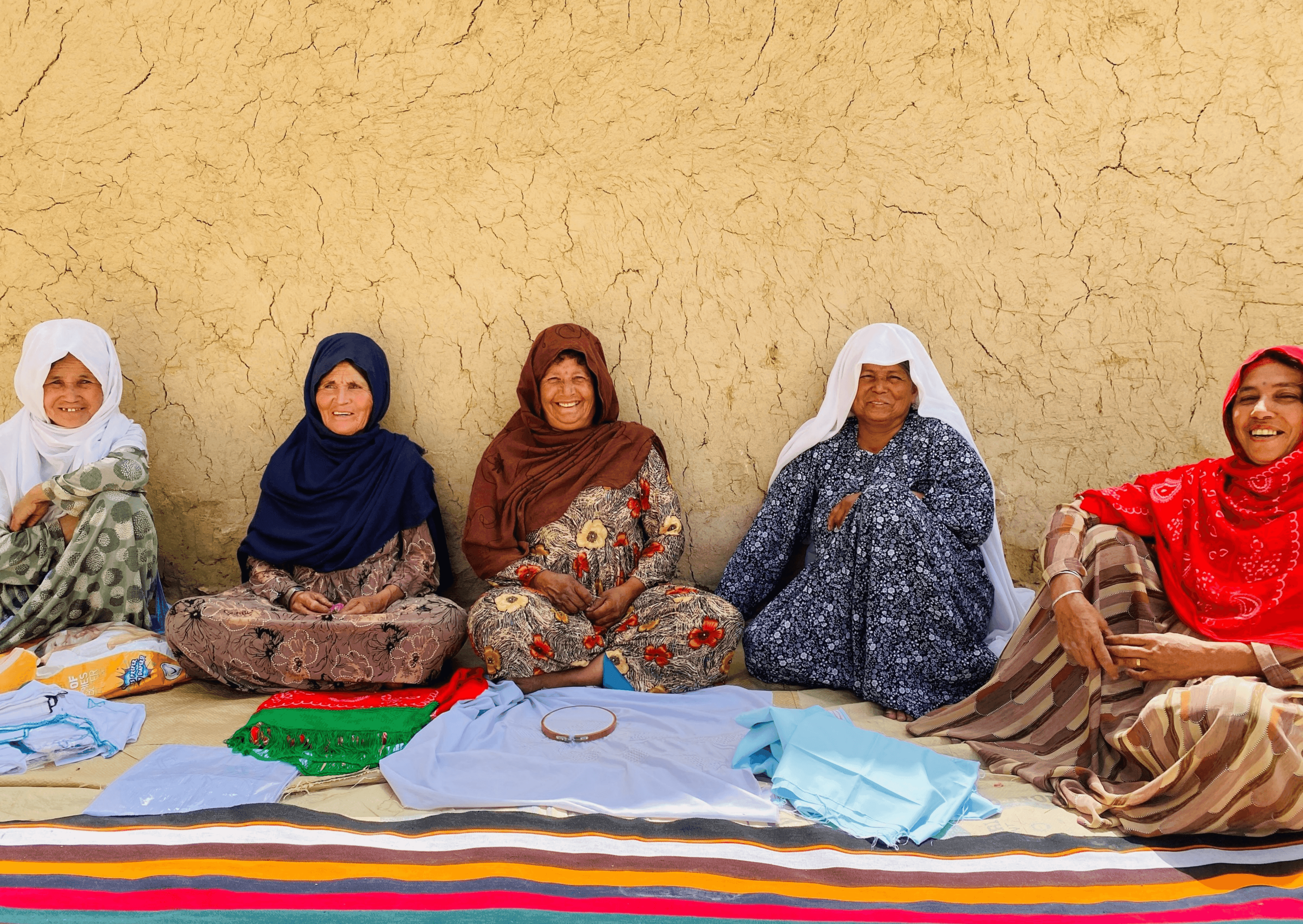
Women in Self Help Groups are twice as likely to participate in local politics.
The life-saving impact of collective action
Women’s groups are associated with a 37% reduction in maternal mortality.

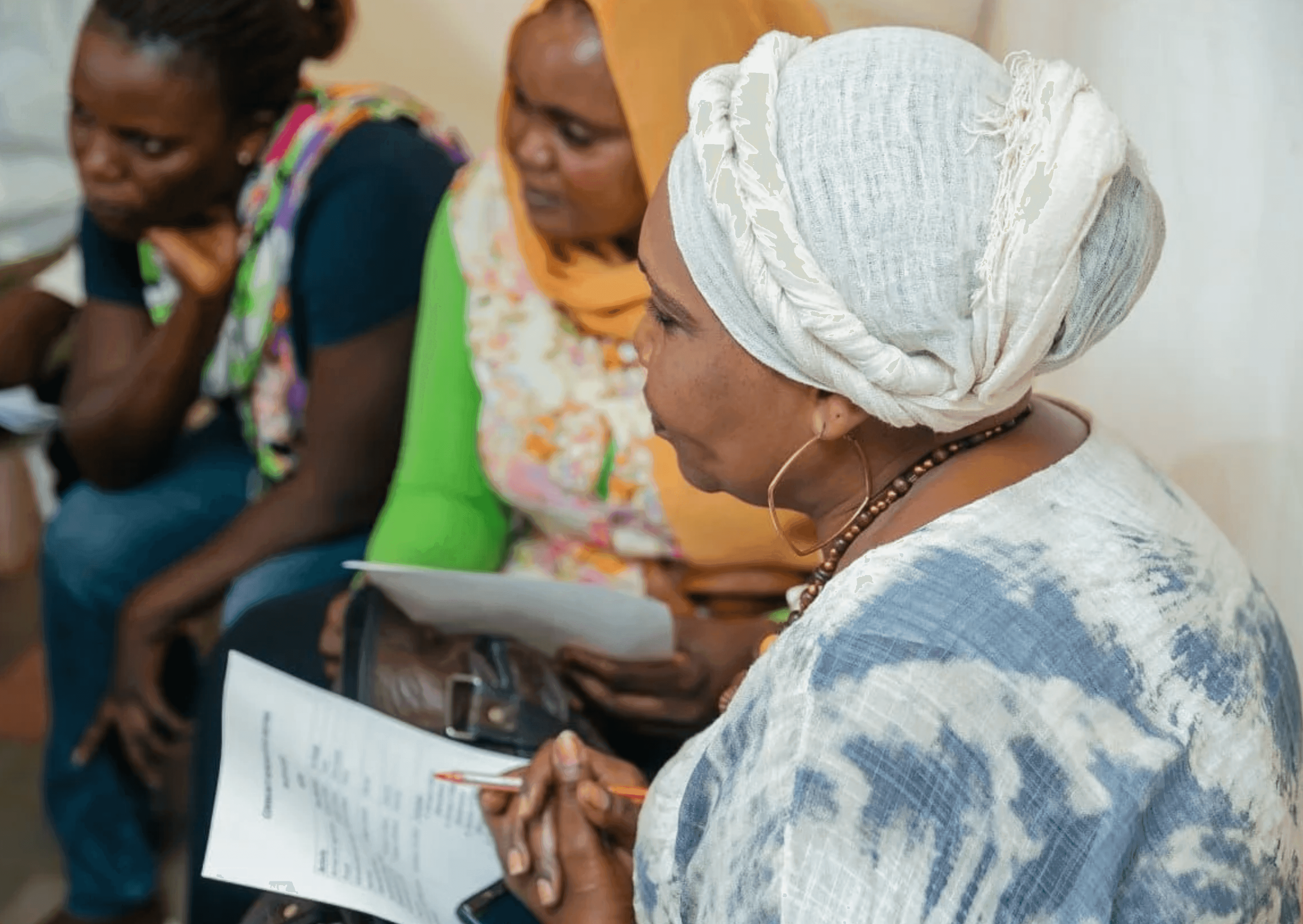
Self Help Groups in Ethiopia deliver over $58 in benefits for every $1 spent
Local intermediaries offer a more cost-efficient approach
Our Passing the Buck research shows that local intermediaries can deliver programming that is 11 to 19 percent more cost-efficient than working through layers of international actors.


Subscribe to our newsletter.
Stay in the loop with the latest evidence, stories and opportunities from the Self Help Group movement.
Support locally led solutions that empower communities to shape their own futures.